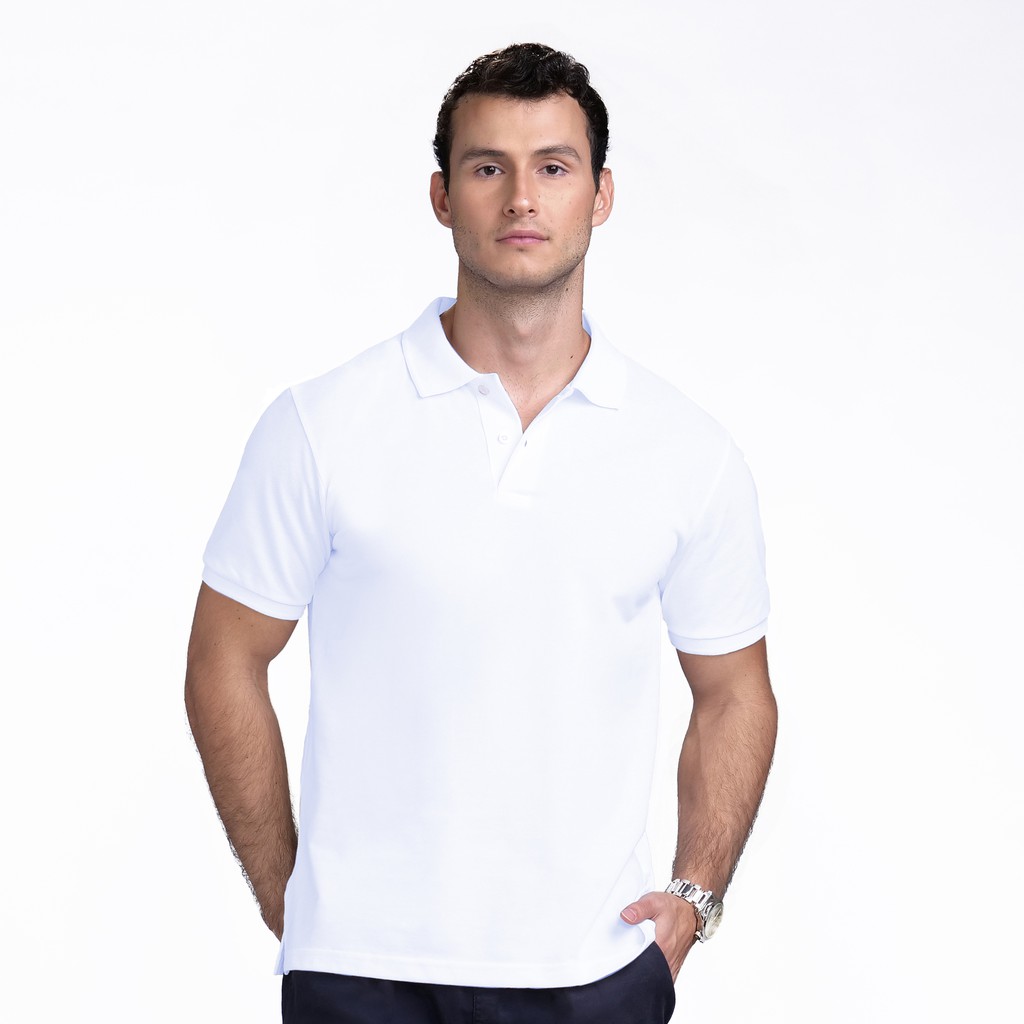
Currently Empty: ₨ 0
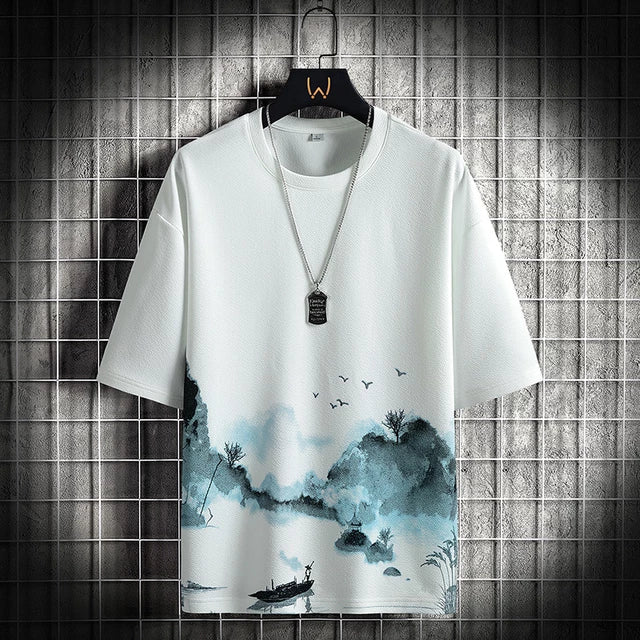
Men’s T-Shirts: The Ultimate Style, Fit, and Quality Guide for the Modern Man
Let’s be real: every man’s wardrobe is built on a foundation of mens t shirts. This isn’t just casual wear; it’s a canvas for personal expression, a barometer of style, and arguably the most versatile piece of clothing you’ll own. From lazy Sundays to layered smart-casual looks, the right tee elevates you, while the wrong one can undermine your entire outfit.
Yet, walk into any store or browse online, and you’re hit with a dizzying array: 100% cotton, poly blends, slim fit, boxy fit, pocket, no-pocket, ribbed knit, jersey… How do you decode it all? As a style consultant with over a decade of experience curating wardrobes, I’ve seen the common pitfalls the shrinking cotton disaster, the awkward sleeve length, the fabric that pills after two washes. This guide cuts through the noise. We’ll dive deep into the anatomy of the perfect men’s casual t shirt, exploring not just how it looks, but how it should feel, perform, and last. This is more than shopping advice; it’s about making informed choices that enhance your daily comfort and style.
Why Your T-Shirt Choice Matters More Than You Think
A mens t shirt is often the first layer against your skin and the most visible element in a casual outfit. Its quality broadcasts subtle signals about your attention to detail. A crisp, well-fitted premium cotton t shirt suggests polish, even in relaxed settings. Conversely, a faded, ill-fitting, or worn-out tee can make even expensive outerwear look sloppy.
Think of your tee as the foundation of your style house. A strong foundation allows everything built on top your shirt, jacket, accessories to shine. In today’s hybrid world, where video calls blend with in-person meetings and casual Fridays are every day, having a roster of high-quality, versatile men’s t shirts is non-negotiable for the modern man. It’s about investing in comfort without compromising on aesthetics.
Fabric Decoded: From Supima Cotton to Technical Blends
The feel, drape, durability, and even the price of your tee hinge on the fabric. Let’s break down the common materials you’ll encounter.
- 100% Cotton: The gold standard for breathability and natural feel. However, not all cotton is equal.
- Combed Cotton: The fibers are combed to remove impurities and short strands, resulting in a softer, stronger, and more lustrous fabric. A step above basic.
- Ring-Spun Cotton: A meticulous process where fibers are twisted and thinned, creating an exceptionally soft, smooth, and durable fabric that resists pilling. Often combined with combing for a top-tier feel.
- Supima/Pima Cotton: Grown in the USA, Supima is a premium, extra-long staple cotton. This means longer, stronger fibers that produce a luxury t shirt that is incredibly soft, retains its shape superbly, and has a subtle sheen. It’s a significant upgrade in longevity and feel.
- Cotton Blends (Typically Cotton/Polyester): This blend aims to marry the best of both worlds. The cotton provides softness and breathability, while the polyester adds durability, wrinkle resistance, and reduces shrinkage. A 60% cotton/40% polyester blend is common for durable, easy-care everyday t shirts. However, higher polyester percentages can feel less breathable.
- Tri-Blends (Cotton/Polyester/Rayon): The secret behind those incredibly soft, vintage-feel tees. Rayon (from bamboo or wood pulp) adds a drapey, super-soft hand-feel. These softest t shirts are comfortable but can be less durable than pure cotton and may lose shape faster.
- Organic and Sustainable Fabrics: A fast-growing category. This includes organic cotton (grown without synthetic pesticides), bamboo (highly breathable and soft), and recycled polyester (made from post-consumer plastic). These choices reduce environmental impact significantly.
- Performance Fabrics: Designed for activewear, these technical t shirts often use moisture-wicking synthetics like polyester or nylon to pull sweat away from the skin, keeping you dry during workouts.
Pro Tip: For the cornerstone of your wardrobe, invest in ring-spun or Supima cotton t shirts. The difference in daily comfort and how they withstand washes is immediately noticeable.
The Fit Spectrum: Finding Your Silhouette
Fit is the single most important factor in looking polished. The wrong fit can ruin even the best fabric. Here’s your guide to navigating fit categories:
- Slim Fit: This cut follows the contours of your body without being tight. It tapers from the chest to the waist and has narrower sleeves. Ideal for men with an athletic or lean build, it provides a modern, sharp silhouette perfect for tucking in or wearing alone. If you have a broader chest and shoulders, ensure it doesn’t pull across the back.
- Regular/Classic Fit: The timeless, versatile option. It offers more room through the chest, waist, and sleeves than a slim fit t shirt. It’s comfortable, forgiving, and works for most body types. The goal is a clean look without excess fabric bunching.
- Relaxed/Boxy Fit: Offers a loose, casual silhouette with plenty of room throughout. This style has seen a major resurgence in streetwear and fashion circles. While comfortable, it can look sloppy if oversized excessively. It’s a style choice that works best for a deliberate, laid-back aesthetic.
- Muscle Fit: Designed explicitly for athletic, muscular builds. It is tight across the chest, arms, and shoulders, with a pronounced taper at the waist. It’s a specialized fit for showcasing physique.
The Fit Checkpoints:
- Shoulders: The seam where the sleeve attaches should sit right on the edge of your shoulder bone.
- Chest & Torso: You should be able to pinch about 1-2 inches of fabric on either side of your torso. It shouldn’t pull or gap.
- Sleeves: For a classic look, t shirt sleeve length should hit mid-bicep, covering about half of your upper arm.
- Length: The hem should fall just below the waistband of your pants, allowing you to raise your arms without your stomach showing.
Neckline Basics: Crew Neck vs. V-Neck
This is a foundational style choice with practical and aesthetic implications.
- Crew Neck: The undisputed king. It’s versatile, timeless, and works for everyone. A crew neck t shirt provides a clean, rounded line that layers perfectly under shirts, sweaters, and jackets. It’s your go-to, no-brainer choice.
- V-Neck: Creates the illusion of a longer torso and can help balance a broader chest or face. A subtle v-neck t shirt (not too deep) is excellent for layering as it remains hidden under an open button-down shirt. Avoid excessively deep V-necks for most everyday settings.
The choice often comes down to personal preference and what you’re layering it with. For a first-tier wardrobe, stock up on crew necks and add a few v-necks for variety.
Sleeve Length and Hem: The Devil’s in the Details
Sleeve Length: As mentioned, the classic sleeve hits mid-bicep. A trend towards slightly shorter sleeves (just above the bicep) offers a more refined look. Avoid sleeves that flare out widely; they should hug your arm gently.
The Hem: A straight hem is standard. A side-slit or curved hem (often longer in back) adds a touch of modern detail and can look better untucked. For tucking in t shirts, a straight hem is preferable and ensures a smooth line.
The Pocket: A pocket tee adds a utilitarian, slightly classic American vibe. It can also break up a large block of color on your chest. The choice between pocket and plain is purely stylistic.
Color Psychology and Building a Core Collection
Start with a core of neutrals that mix and match with everything:
- White: Crisp, clean, foundational. A bright white plain t shirt is a non-negotiable staple.
- Heather Grey: The perfect casual, versatile neutral. Hides minor stains better than white.
- Black: Sleek, sharp, and slimming. Essential for evening looks or creating contrast.
- Navy: A sophisticated alternative to black, extremely versatile.
Once your core is set, expand into earthy tones (olive, burgundy, tan) and soft pastels for seasonal variety. When choosing colors, consider your skin tone cooler tones often suit blues and greys, while warmer tones complement browns and olives.
From Gym to Dinner: Styling for Every Occasion
The versatility of t shirts is their superpower.
- Smart-Casual: Pair a dark, impeccably fitted slim fit t shirt (no logos) with tailored chinos, a smart blazer, and loafers. The key is impeccable fit and luxe fabrics.
- Weekend Casual: Your classic crew neck with jeans or shorts and sneakers. Layer with a lightweight trucker jacket or overshirt when needed.
- Athleisure: A performance fabric or clean cotton tee with matching joggers and high-end trainers.
- Layering Essential: Use your tee as a base layer under flannel shirts, denim jackets, hoodies, or knitwear. A v-neck works brilliantly here to avoid bulk.
Sustainable Threads: The Rise of Eco-Conscious Fashion
The modern consumer is increasingly conscious. The sustainable fashion movement is strong in the basics category. Look for brands offering:
- Organic or recycled materials.
- Transparent supply chains and ethical manufacturing certifications (like Fair Trade).
- Durable construction designed for longevity, not fast fashion.
Investing in a slightly more expensive sustainable t shirt from a responsible brand often means better quality and a clear conscience.
Care Essentials: Making Your Tees Last for Years
Your investment means nothing without proper care.
- Wash in Cold Water: Preserves color and prevents shrinkage.
- Turn Inside Out: Protects the outer surface from friction and fading.
- Avoid Fabric Softener: It can coat fibers, reducing absorbency and breathability. Use white vinegar as a natural softener instead.
- Air Dry or Tumble Dry Low: High heat is the enemy of cotton, causing shrinkage and wear. Air drying is gentlest.
- Fold, Don’t Hang: Hanging can stretch out the shoulders over time, especially with heavier fabrics.
Frequently Asked Questions (FAQs)
Q: How many men’s t shirts should I own?
A: A functional minimalist wardrobe might have 7-10 high-quality tees in rotation (a mix of white, grey, black, and a few colors). This allows for washing cycles without wearing any out too quickly.
Q: What is GSM and why does it matter?
A: GSM stands for Grams per Square Meter. It measures fabric density. A lightweight tee is ~130-150 GSM (great for layering), a mid-weight is ~180-200 GSM (the ideal sweet spot for durability and structure), and a heavyweight t shirt is 220+ GSM (substantial, less prone to sheerness, has a vintage feel).
Q: Are more expensive t shirts worth it?
A: For your core staples, absolutely. Higher price typically reflects better fabric (like Supima cotton), superior construction (taped seams, reinforced stitching), and more consistent, flattering fits. They last longer, look better, and feel more comfortable, offering a lower cost-per-wear over time.
Q: How do I prevent necklines from stretching out?
A: Wash in cold water, avoid hanging by the neckline (fold them), and look for tees with neck tape a strip of fabric sewn into the seam to reinforce it.
Q: Can I wear a t shirt to a semi-formal event?
A: In most traditional settings, no. However, in modern creative or tech environments, a perfectly fitted, pristine black or navy premium t shirt under an unstructured blazer with tailored trousers can work as a smart-casual outfit. Always err on the side of a dress shirt if unsure.
Conclusion: It’s Time to Rethink Your Basics
Choosing the right mens t shirts is an exercise in intentional living. It’s about moving beyond disposable fashion and investing in foundational pieces that deliver daily value in comfort, confidence, and style. Forget the ten-pack of cheap, vague-fitting tees. The strategy is clear: understand your ideal fit, seek out quality fabrics like ring-spun or Supima cotton, build a intelligent color palette, and care for your garments diligently.
Start by auditing your current drawer. Remove anything faded, pilled, or ill-fitting. Then, begin rebuilding with intention. Perhaps invest in two exceptional white crew neck t shirts and one perfect heather grey option. Notice the difference they make. Your t shirt style is a reflection of your personal standards. By mastering this most basic item, you lay the groundwork for a wardrobe that is not just worn, but curated one that works seamlessly for you, day in and day out. The perfect tee is out there; it’s not just a piece of clothing, it’s the cornerstone of your modern identity.