Currently Empty: ₨ 0
The Timeless Appeal of Pakistani Men’s Shalwar Kameez
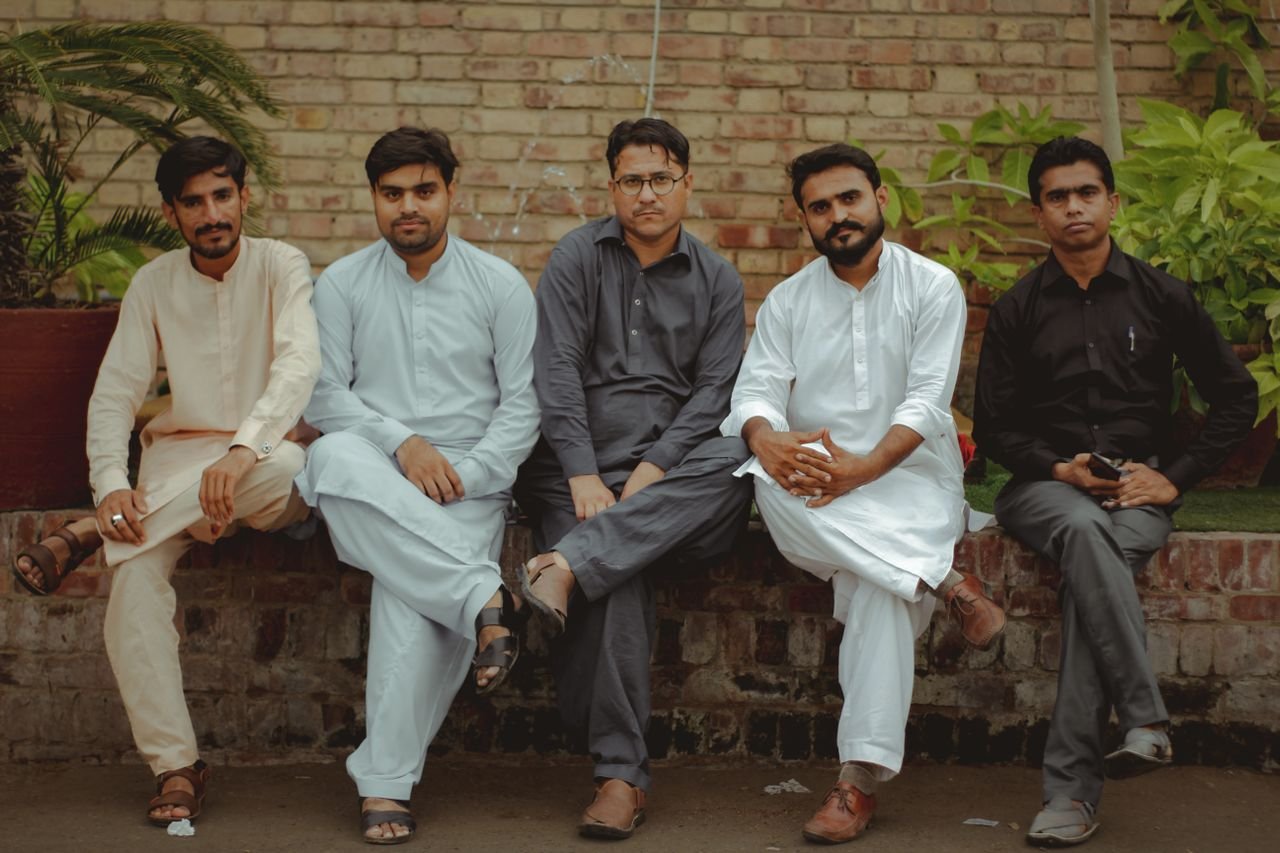
You step into a bustling market in Lahore or Karachi, and right away, you spot it: the flowing lines of a pakistani mens shalwar kameez catching the light just so. Men move with quiet confidence in this outfit, blending comfort with a touch of heritage that turns heads. If you grew up around these streets or just appreciate sharp ethnic wear, you know this isn’t some fleeting fad. It’s a staple that carries stories of culture, craft, and daily life. Today, let’s chat about what makes the men shalwar kameez so enduring, from its roots to the fresh spins designers add in 2025. I’ll share tips, trends, and even some real voices from folks online who get it.
Roots That Run Deep
Picture this: traders and rulers crossing borders centuries ago, bringing threads of fabric and ideas that stick around. The shalwar kameez traces back to the 13th century, when Muslim influences from Central Asia and Persia wove into South Asian wardrobes. Men adopted the loose pants—shalwar—and the tunic-like top—kameez—for practical reasons. Hot climates demand breathable clothes, and this combo delivers. By the Mughal era, emperors refined it with silks and intricate embroidery, turning everyday wear into something regal.
Fast forward to 1947, when Pakistan emerged as a nation. Leaders declared the shalwar kameez the national dress for men, a nod to unity across regions. Punjabis, Sindhis, Balochis—they all adapted it to their tastes. In the north, you see tighter fits; down south, wider shalwars with vibrant prints. Families pass down patterns, like a grandfather’s favorite straight-cut kameez, reminding everyone of where they come from. I remember my uncle stitching his own during Eid, measuring twice to get that perfect drape. That hands-on touch keeps the tradition alive, not just in museums but in living rooms.
What Sets Pakistani Styles Apart
Not all ethnic outfits flex like the pakistani mens shalwar kameez. You pull on a pair of jeans, and they hug tight—practical, sure, but stiff after a long day. Switch to shalwar, and freedom kicks in. The drawstring pants gather at the ankles, pairing with a knee-length kameez that skims the body without clinging. Tailors focus on balance: broad shoulders up top, relaxed legs below.
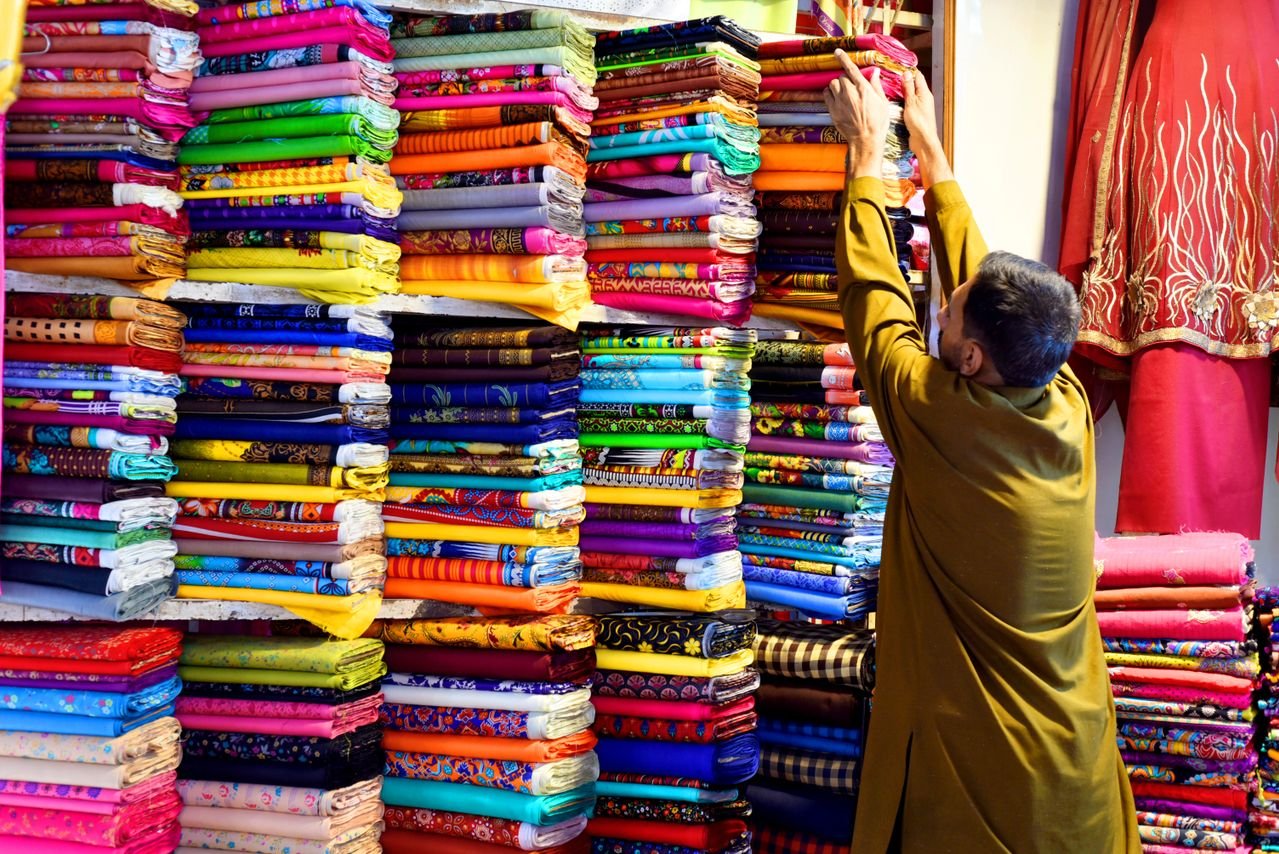
Craftsmanship shines here. Artisans use khaddar cotton for breathability or chiffon for fancier nights. Embroidery—zardozi or simple gotta—adds personality without overwhelming. Regional twists keep it fresh: Pathan styles feature tighter shalwars for horseback rides, while Karachi cuts lean modern with slim silhouettes. Brands like Junaid Jamshed and Khaadi lead the pack, blending old techniques with new fabrics. You won’t find a more versatile piece that transitions from office to iftar without missing a beat.
Colors That Speak Volumes
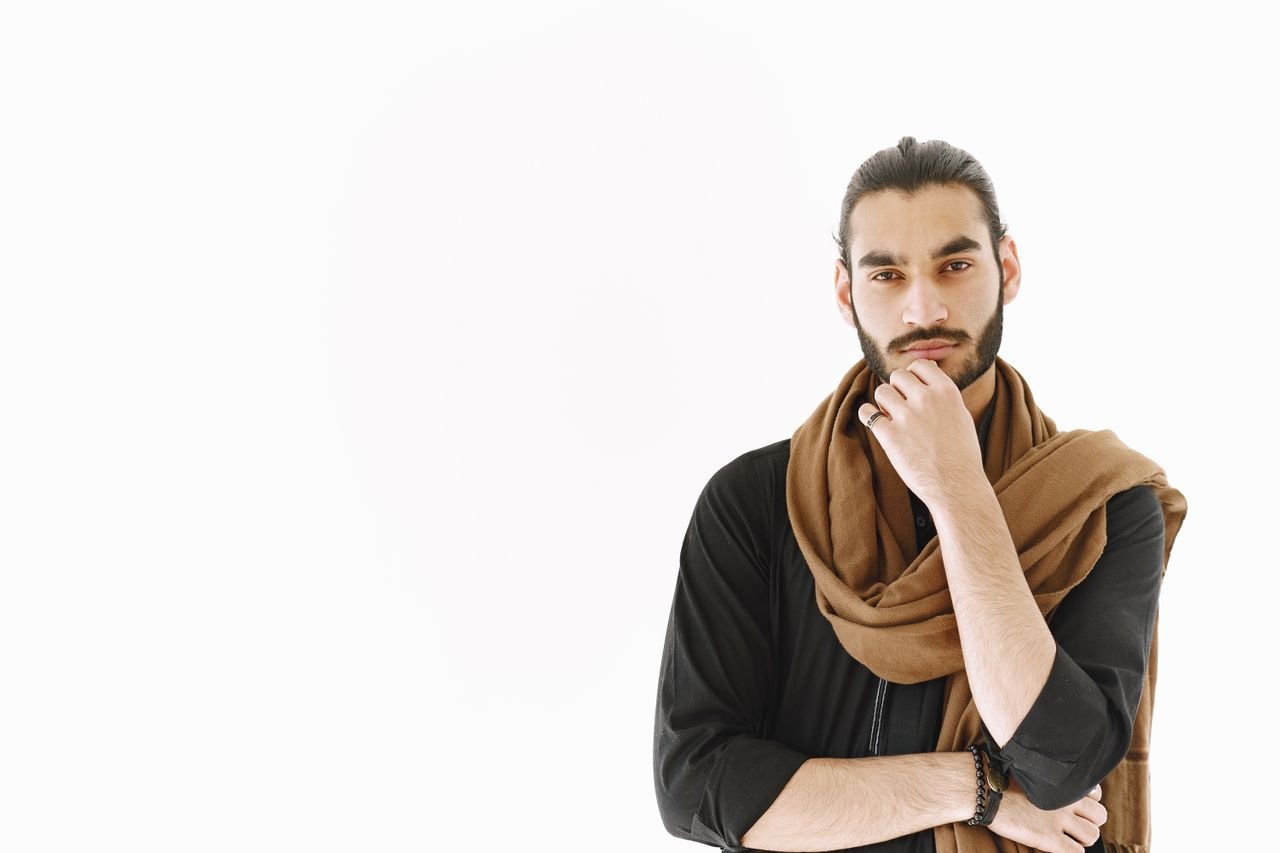
Colors tell tales in this world. Start with the mens black shalwar kameez—a powerhouse for evenings out. Deep ebony absorbs light, creating a sleek silhouette that pairs with silver accessories or a subtle waistcoat. In 2025, designers amp it up with matte finishes or hidden pockets for that urban edge. Imagine heading to a wedding; the black absorbs the chaos while you stand out.
Flip to purity with the mens white shalwar kameez. Crisp and clean, it screams fresh starts—think Eid mornings or summer Fridays. Linen blends keep it cool, and a touch of neckline piping prevents plainness. White dominates winter collections too, layered under shawls for contrast. Both shades anchor wardrobes, easy to mix with jeans for fusion looks or keep traditional with kolhapuri sandals.
“idc about your opinion but shalwar kamiz is the most elegant thing a man can wear.”
— @caffeinexher on X, July 2025
That tweet nails it. Elegance without effort—that’s the draw.
Fresh Takes for 2025
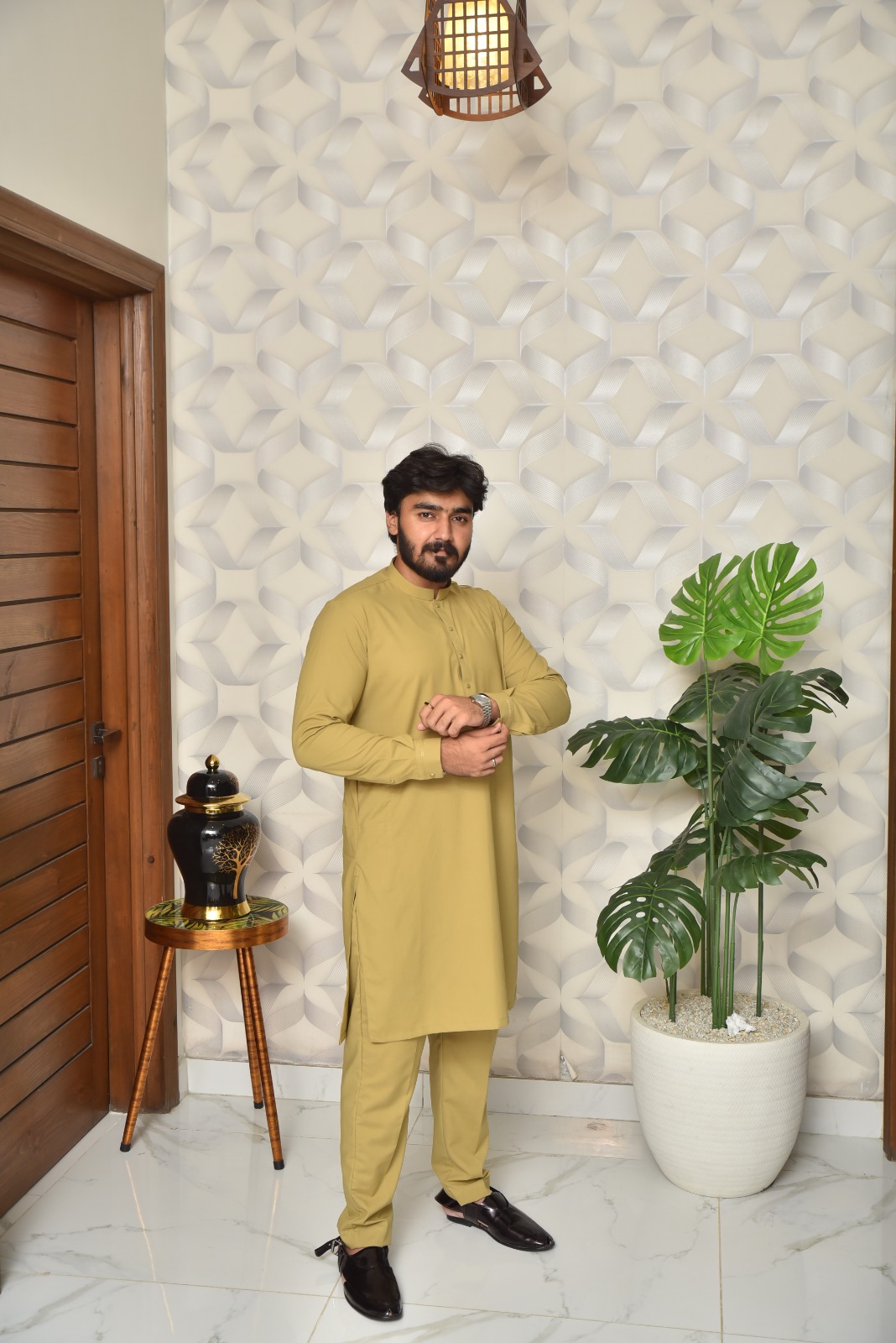
Designers don’t rest on laurels. Fusion rules this year: think white shalwar kameez mens with asymmetric hems or cargo-style shalwar pockets for the guy who commutes by bike. Solid hues like charcoal grey and forest green join the party, ditching heavy prints for minimalist vibes. Eid lines from Bonanza Satrangi feature velvet trims, while Alkaram experiments with sustainable dyes from local plants.
Street style evolves too. Younger guys layer kameez over tees, cuff shalwars for a cropped effect, or add bomber jackets. Social media fuels this—hashtags like #ShalwarStyle rack up millions of views. One designer I follow mixes denim shalwars with silk kameez, bridging casual Fridays and family gatherings. You try it once, and suddenly your closet feels limited without that hybrid energy.
Styling Tips You Can Use Today
Ready to own your look? Start simple. For the mens black shalwar kameez, tuck in a crisp shirt collar and roll sleeves to mid-forearm—exposes just enough for warmth in cooler months. Pair with loafers for boardrooms or juttis for dinners. Avoid belts; the shalwar’s waistband handles that.
The mens white shalwar kameez shines solo. Opt for straight cuts if you’re tall; they elongate lines. Add a pocket square in saffron for pop, or drape a light dupatta over one shoulder for formal flair. Footwear matters—leather mojris ground the outfit, keeping it rooted. Pro tip: iron the night before. Creases kill the flow.
Everyday? Go unstitched fabric from Gul Ahmed, customize at your local darzi. Budget-friendly and fitted to you. Weddings call for heavier brocades, but test the weight—nobody wants to sweat through speeches.
“Look at his body language, confident, calm, and proudly in shalwar kameez even on official visits — truly iconic.”
— @imanwithik on X, September 2025
Confidence radiates, right? That’s the secret sauce.
From Streets to Celebrations
Daily life hugs the pakistani mens shalwar kameez close. Civil servants in Khyber Pakhtunkhwa pair it with waistcoats for meetings, ditching suits for something that moves with the terrain. Farmers in rural Sindh choose sturdy cottons that withstand dust and sun. It’s not just clothes; it’s armor for the grind.
Festivals elevate it. Eid ul-Fitr means throngs in new men shalwar kameez, fabrics shimmering under mosque lights. Weddings turn it into spectacle—grooms in embroidered sets, guests matching motifs. Diwali or Basant? Lighter white shalwar kameez mens with kites in hand. Even cricket matches see fans in team-colored versions, chanting from stands.
This outfit unites. A recent post captured it perfectly:
“Pakistani culture reflects a rich blend of Turko-Persian influences… The shalwar kameez, with its diverse styles, symbolizes this unity, not division.”
— @NaveedSalman on X, October 2025
Spot on. It bridges old and new, urban and village.
Care and Craft: Keeping It Fresh
You invest in quality, so treat it right. Hand-wash silks to preserve sheen; machine cottons on gentle. Store folded, away from moths—cedar blocks work wonders. Tailors refresh old pieces with new linings, extending life.
Sourcing? Hit Anarkali Bazaar for bargains or online from Nishat Linen for delivery. Check labels for organic threads if sustainability matters to you. One trend I love: upcycled shalwars from vintage saris, giving heirlooms a second spin.
Wrapping It Up
The pakistani mens shalwar kameez endures because it fits—literally and figuratively. You wear it, and it wears your story. From mens black shalwar kameez for nights that linger to mens white shalwar kameez for days that dawn bright, options abound. Designers push boundaries in 2025, but the core stays true: comfort rooted in pride.
Next time you spot one, pause. Ask the wearer about his tailor or favorite festival fit. Conversations start there. What’s your go-to style? Drop a note—I’d love to hear.