Currently Empty: ₨ 0
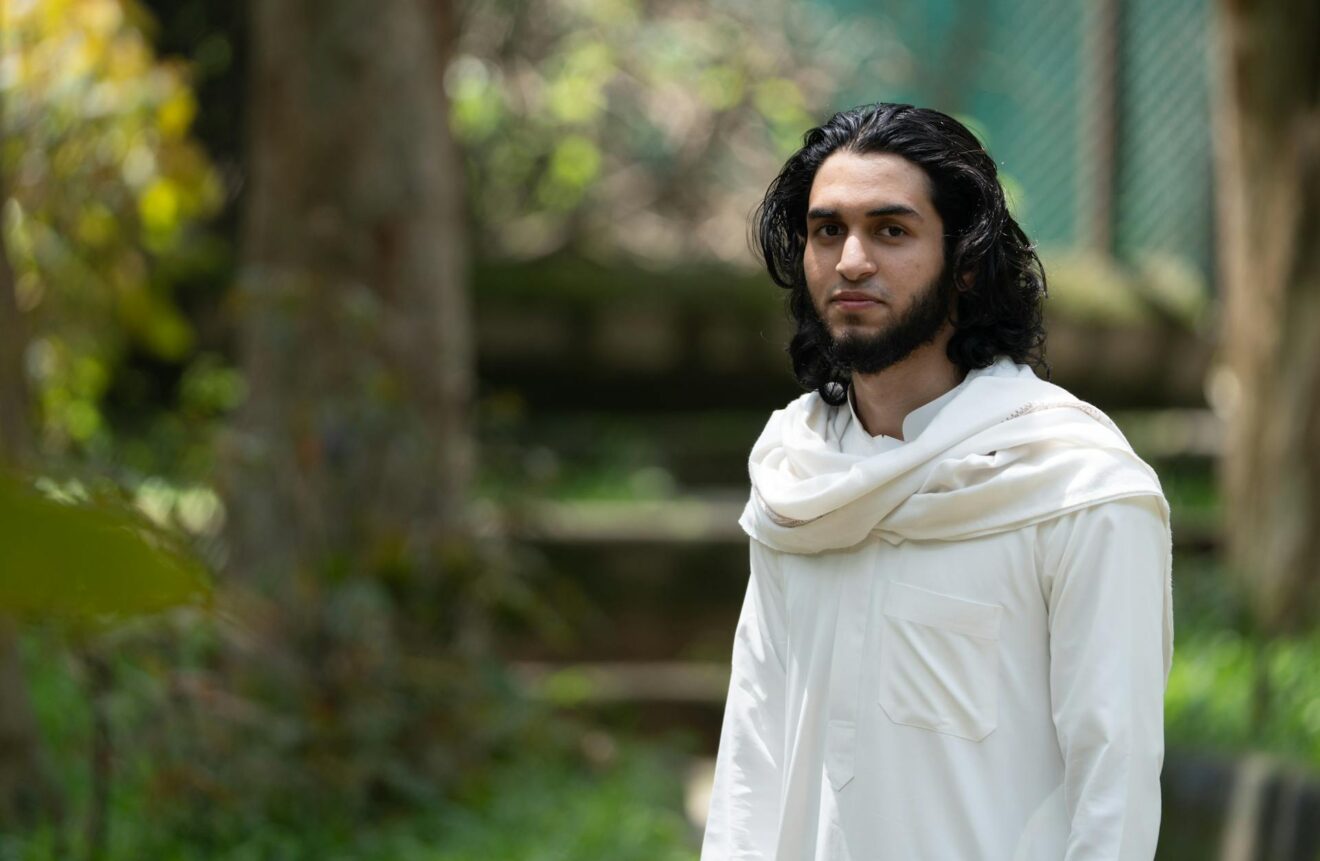
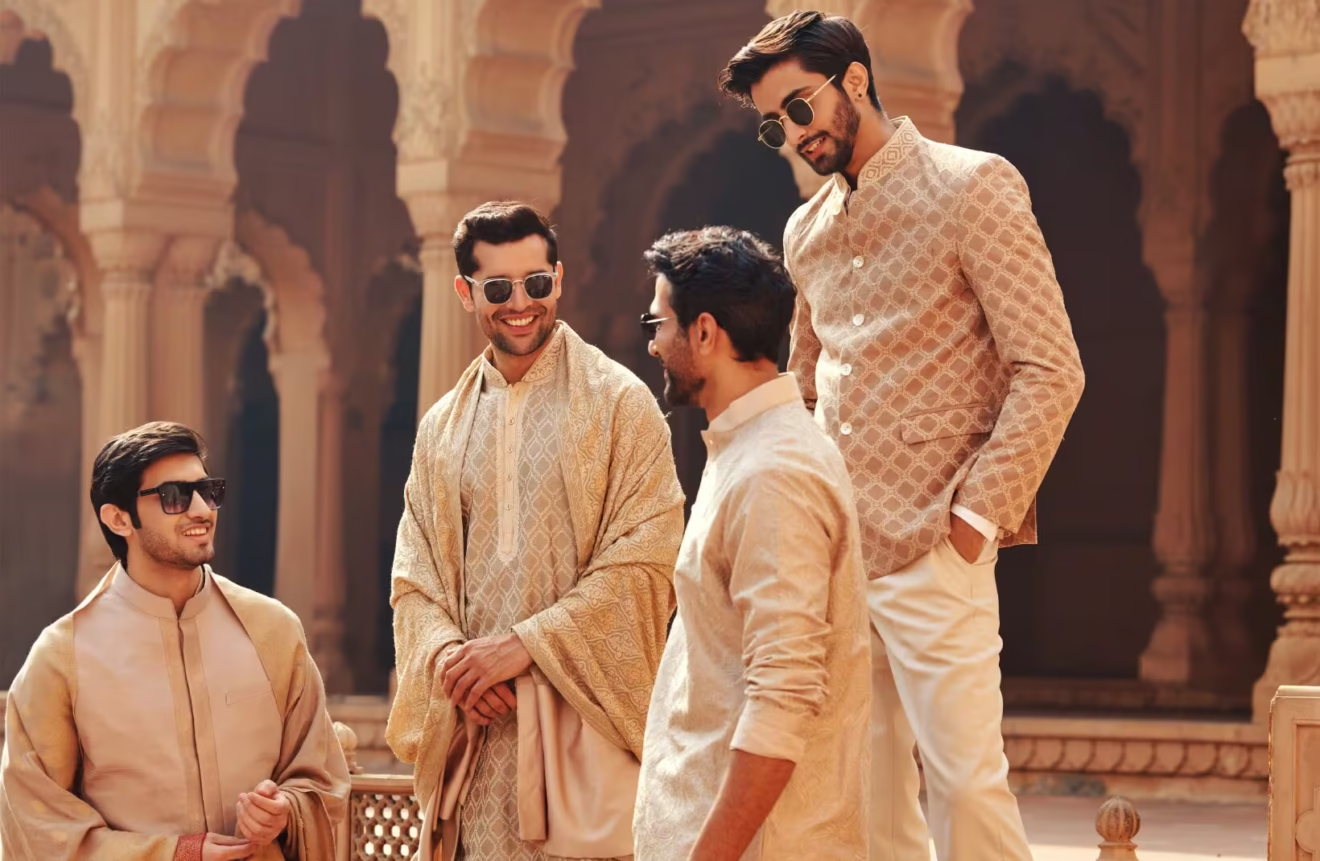
In the tapestry of Pakistani culture, few garments command the respect, comfort, and timeless elegance of the traditional shalwar kameez. For men across the country, from the bustling streets of Karachi to the serene valleys of Punjab and Khyber Pakhtunkhwa, this attire is more than just clothing; it is an identity. When we talk about men shalwar kameez Pakistan, we are discussing a staple that bridges the gap between heritage and modernity. It is the uniform of the nation, worn with equal pride by the common man and the elite, adapting seamlessly from the daily grind to the grandeur of a wedding stage. In this comprehensive guide, we will delve deep into the nuances of this iconic outfit, exploring fabric choices, seasonal variations, styling tips for different occasions, and the evolving trends that keep this classic garment relevant in today’s fast-paced fashion world.
The Cultural Significance of Shalwar Kameez in Pakistan
To understand the importance of the men shalwar kameez Pakistan, one must first appreciate its cultural roots. It is a symbol of modesty, elegance, and regional pride. Unlike Western attire, which often signifies formality or corporate rigidity, the shalwar kameez offers a sense of freedom and connection to one’s roots. From Friday prayers at the mosque to family gatherings during Eid, this attire signifies respect and belonging.
Historically, the outfit has evolved, absorbing influences from Persian, Turkish, and Central Asian aesthetics, yet it remains distinctly South Asian. In Pakistan, the cut, fit, and style can even vary by region. The loose, flowing kameez (shirt) paired with the comfortable shalwar (trousers) is designed to suit the country’s climate, allowing air circulation while providing complete coverage. It is this perfect blend of practicality and tradition that has cemented its place in the heart of Pakistani men.
Fabric Matters: Choosing the Right Material for Every Season
One of the key indicators of a high-quality outfit lies in the fabric. A professional understands that the weather in Pakistan can be extreme, and selecting the right textile is crucial for comfort and style. When shopping for men shalwar kameez Pakistan, the material dictates not only how the outfit looks but how it feels after a long day.
Summer Essentials: Cotton, Lawn, and Linen
The Pakistani summer demands breathability. Cotton remains the undisputed king for daily wear. It is soft, absorbent, and gentle on the skin. However, the rise of high-quality lawn fabric has revolutionized summer fashion. Lawn is a lightweight, high-thread-count cotton that offers a crisp finish, making it ideal for formal gatherings in the heat. For a more sophisticated, textured look, linen blends are gaining popularity. They offer a relaxed, slightly rumpled aesthetic that screams understated elegance, perfect for casual outings or office wear when paired with a waistcoat.
Winter Warmth: Khaddar, Karandi, and Wool Blends
As the mercury drops, the fabrics shift to heavier, more insulating materials. Khaddar, a thick, hand-woven cotton fabric, is a winter staple in Punjab. It holds its shape well and provides excellent warmth without being overly bulky. For formal winter events, especially weddings, Karandi (a heavy, textured cotton) and wool-blend fabrics are preferred. These materials drape beautifully, giving the shalwar kameez a structured silhouette that looks regal. A well-tailored winter men shalwar kameez Pakistan in a rich, dark shade like charcoal grey or navy blue is a formidable addition to any wardrobe.
The Modern Evolution: From Traditional to Contemporary
While tradition holds a sacred place, the modern Pakistani man is increasingly experimental. The contemporary fashion scene has seen a shift towards sleek cuts, smart fits, and innovative design details. Gone are the days when a shalwar kameez was purely a baggy, oversized garment. Today, men are opting for tailored fits that accentuate the body without being restrictive.
Designers and ready-to-wear brands like ZNZ Akreations are at the forefront of this evolution. They are reimagining the men shalwar kameez Pakistan by introducing features like:
- Stitched Collars: Moving beyond the classic round or straight collar, modern kameez feature Mandarin collars, band collars, or sharp point collars that lend a contemporary edge.
- Textured Cuffs: Detailed cuffs, sometimes contrasting or featuring subtle embroidery, add a touch of sophistication.
- Asymmetrical Cuts: Some modern designs play with the hemline, offering asymmetrical cuts that stand out during formal events.
This modernization does not strip the garment of its identity; rather, it enhances its versatility, allowing it to compete with Western suits in corporate environments while maintaining cultural integrity.
Styling for Occasions: Eid, Weddings, and Casual Wear
Knowing how to style your outfit for specific events is what separates a well-dressed man from a fashionable one. The men shalwar kameez Pakistan is incredibly versatile, but the styling approach changes depending on the occasion.
Eid and Festive Gatherings
Eid is the pinnacle of men’s fashion in Pakistan. This is the time to invest in premium fabrics and intricate details. For Eid, light colors are traditionally favored—whites, off-whites, pastel blues, and mint greens. The fabric should be high-quality lawn or a fine cotton blend. To elevate the look, men often pair the shalwar kameez with a matching or contrasting waistcoat (called a nehru or waiskot). A classic cap (topi) completes the ensemble, embodying the spirit of celebration and gratitude.
Wedding Season
Weddings in Pakistan are a marathon of events, each requiring a distinct look. For the groom or the close family, heavy embroidery, rich silks, and velvet blends are common. However, for guests, a sophisticated men shalwar kameez Pakistan works perfectly. Darker shades like navy blue, maroon, or forest green are popular for evening weddings. A simple but well-fitted kameez with a shalwar can be elevated with a dupatta (stole) draped over one shoulder. Adding a pair of quality leather khussa (traditional shoes) instantly shifts the look from casual to ceremonial.
Daily Wear and Casual Outings
For daily wear, comfort is paramount. A crisp cotton shalwar kameez in a light shade is a common sight in offices, universities, and markets. The trend now is leaning towards minimalism. Solid colors, minimal embroidery, and a straight-cut design offer a clean, professional look. It is a dignified alternative to Western attire, especially in the humid climate of Pakistan. Many men are now pairing their casual shalwar kameez with stylish sneakers or loafers, blending comfort with a modern aesthetic.
The Art of Fit: Tailoring Makes the Difference
No matter how expensive the fabric, an ill-fitting shalwar kameez can ruin the entire look. A professional understands that the secret to a great men shalwar kameez Pakistan lies in the tailoring. The kameez should have a well-defined shoulder seam that sits precisely at the edge of the shoulder. The sleeves should end at the wrist bone, allowing the cuff of a watch to peek out slightly. The length of the kameez is crucial it should ideally fall around the knees or slightly above, depending on current trends, but should never be so long that it restricts walking.
The shalwar is equally important. Traditionally, it is loose and gathered at the ankles with a drawstring. However, modern variations include the “churidar” pajama (tight-fitting) or a “straight cut” pajama, which offers a sleeker silhouette. The key is balance; if the kameez is slim-fit, the shalwar should complement it without looking too tight or too baggy.
Exploring Alternatives: Kurta Pajama and Unstitched Suits
While the classic shalwar kameez is a staple, the broader category of Pakistani menswear includes variations that deserve attention. Often, men looking for men shalwar kameez Pakistan are also interested in related attire.
The Men Kurta Pajama is a close cousin, often characterized by a side slit and a more flowing silhouette. It is the preferred choice for casual Friday prayers or relaxed evening gatherings. The kurta pajama is often considered more “traditional” than the modern shalwar kameez and is a favorite during religious occasions.
Similarly, Men Unstitched Suits hold a significant place in the market. For the discerning customer who values perfect fit and personalized style, unstitched suits offer the ultimate control. They allow the buyer to choose a premium fabric and have it tailored to their exact body measurements and style preferences. This option is particularly popular for wedding wear where precision and uniqueness are paramount.
Fabric Care and Maintenance
Investing in quality clothing requires proper care to ensure longevity. Pakistani weather, with its dust and humidity, can be harsh on fabrics. To keep your men shalwar kameez Pakistan looking pristine, consider these tips:
- Washing: Always separate whites and colors. Lawn and cotton fabrics are best washed in cold water to prevent shrinkage. Heavy fabrics like khaddar should be dry-cleaned or hand-washed gently to maintain their texture.
- Starching: Many men prefer a crisp, starched look for formal wear. While starch adds structure, avoid over-starching as it can reduce breathability and wear out the fabric over time.
- Storage: Store garments in a cool, dry place. Use padded hangers for kameez to maintain shoulder shape. For embroidered or heavy suits, fold them with acid-free tissue paper to prevent color bleeding and creasing.
Current Trends in Men’s Fashion in Pakistan
The landscape of men’s fashion in Pakistan is dynamic. As we look at current trends, we see a departure from heavy embellishments towards clean lines and textured fabrics. Earthy tones beiges, khakis, olive greens are dominating the casual wear scene. For formal wear, pastel shades like powder blue, blush pink, and lavender are being paired with stark white shalwars for a fresh, modern look.
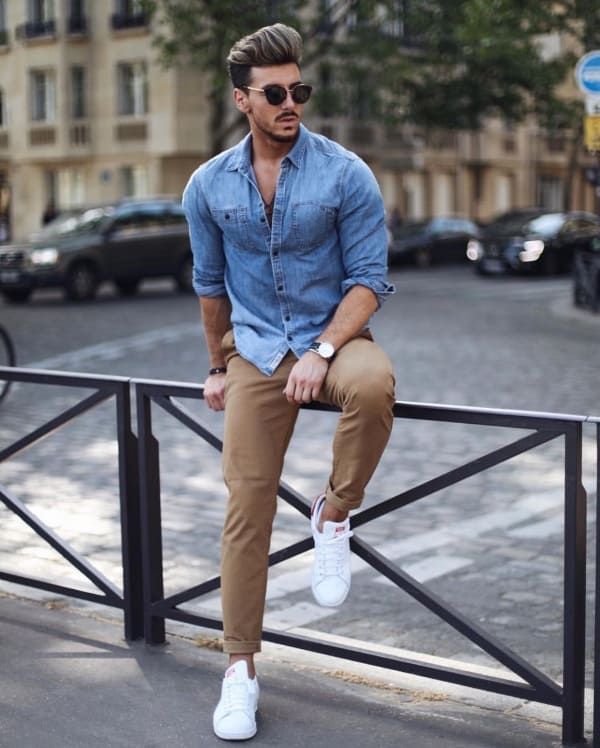
Furthermore, the fusion of Western and Eastern elements is on the rise. It is not uncommon to see a men shalwar kameez Pakistan paired with a denim jacket or a sleek blazer. While purists might frown upon this, it represents the globalized nature of modern Pakistani youth proud of their heritage yet comfortable in a global context.
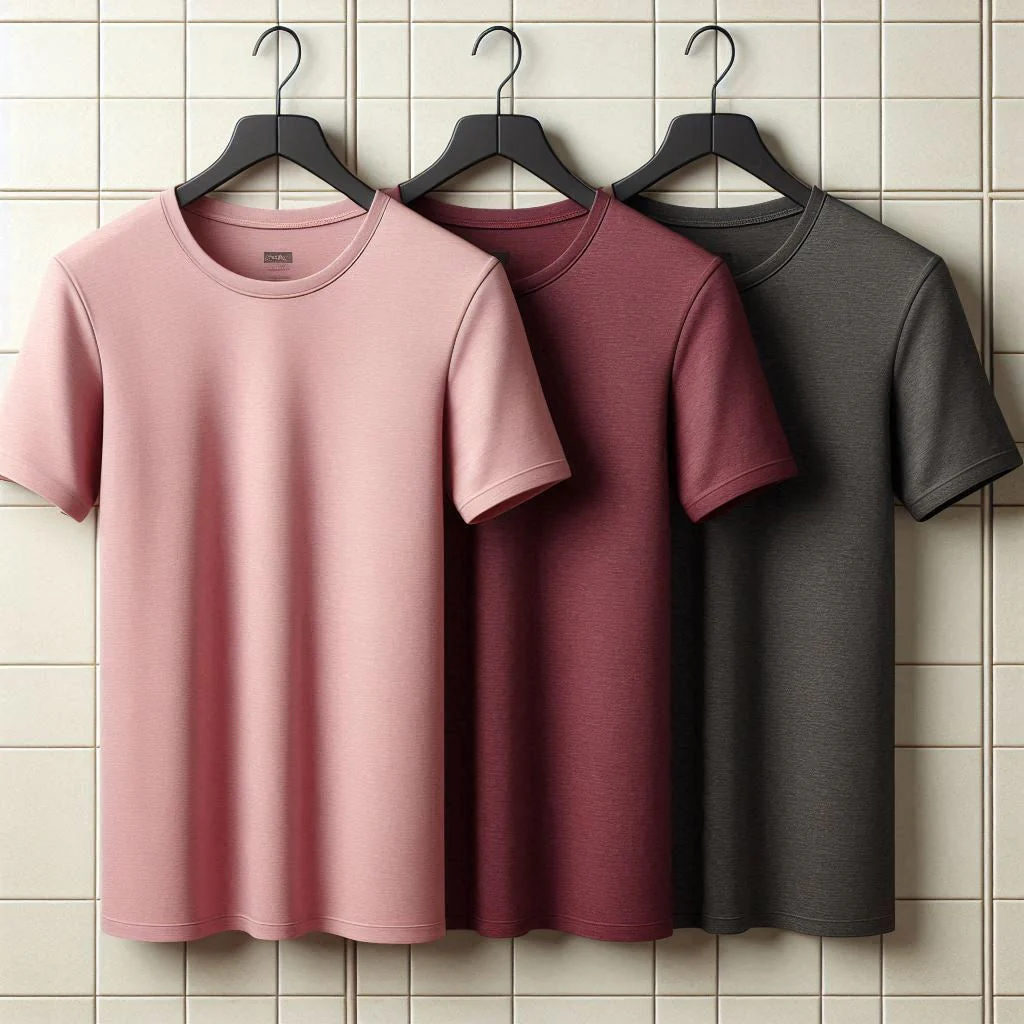
Another trend is the focus on Men T-Shirts and Polo Shirts as separate casual wear items. While they are not the focus of this article, it is important to note that the modern wardrobe of a Pakistani man is a mix. On days off from traditional wear, a high-quality Round Neck T-Shirt or a V Neck T-Shirt offers the ultimate comfort. However, the shift back to traditional wear for social gatherings indicates that the shalwar kameez is not just a garment but a social necessity.
Conclusion
The journey of the men shalwar kameez Pakistan is a fascinating reflection of the nation itself rooted in deep cultural tradition yet constantly evolving to meet modern demands. It is a garment that commands respect, offers unparalleled comfort, and provides a blank canvas for personal expression. Whether you are preparing for the joyous occasion of Eid, a family wedding, or simply seeking a dignified look for daily life, understanding the nuances of fabric, fit, and styling is essential.
By investing in quality materials and embracing contemporary trends while respecting traditional silhouettes, you ensure that your wardrobe remains both timeless and relevant. As fashion continues to evolve, the shalwar kameez stands resilient, proving that true style never goes out of fashion. For those looking to explore a diverse range of options, from ready-to-wear collections to premium unstitched fabrics, it is the perfect time to refresh your wardrobe with attire that honors your heritage while showcasing your personal style.
Frequently Asked Questions (FAQs)
Q1: What is the difference between a shalwar kameez and a kurta pajama?
A: While both are traditional Pakistani attire, the main difference lies in the cut. A shalwar kameez typically features a straight-cut kameez (shirt) with a shalwar that is loose and gathered at the ankles. A kurta pajama usually has a longer, side-slit kurta that is more flowing, often paired with a straight-cut or churidar pajama. The shalwar kameez is considered more formal and common for daily wear, while the kurta pajama is often favored for religious or relaxed settings.
Q2: Which fabric is best for a men shalwar kameez in the Pakistani summer?
A: For the hot and humid Pakistani summer, lightweight and breathable fabrics are essential. Lawn is the premium choice due to its crisp finish and airy feel. High-quality cotton is excellent for daily wear. Linen blends are also a great option for a sophisticated, casual look that keeps you cool.
Q3: How should a formal men shalwar kameez fit?
A: A formal shalwar kameez should have a tailored fit. The shoulders should be well-defined, the sleeves should end at the wrist, and the kameez length should ideally fall around the knees. It should be fitted enough to look sharp but not so tight that it restricts movement. The shalwar should be comfortable, with the gathers sitting neatly at the ankles.
Q4: Can I wear a shalwar kameez for a wedding if I am not the groom?
A: Absolutely. A well-tailored men shalwar kameez Pakistan is a perfect choice for wedding guests. Opt for rich fabrics like Karandi or heavy cotton for winter weddings, and premium lawn or silk blends for summer. Pair the outfit with a waistcoat, a dupatta, and traditional khussa shoes to elevate the look for the occasion.
Q5: What are the current color trends for men’s shalwar kameez?
A: Current trends lean towards earthy tones like beige, khaki, and olive for casual wear. For formal events and Eid, pastel shades such as powder blue, blush pink, and mint green are very popular. Darker shades like navy blue, charcoal grey, and maroon remain classic choices for evening weddings and formal dinners.